
 Language
 中文简体
 العربية
 Deutsch
 Portugal
 Italia
 Français
 Español
Investing in EV Charging Stations: Business Opportunity
Date:
2024-06-17
Share
In an era where sustainability and technological advancement are reshaping industries, investing in EV charging stations has emerged as a pivotal business opportunity. As electric vehicles (EVs) gain traction worldwide, the demand for reliable and accessible EV charging infrastructure is skyrocketing. This article delves into the expansive world of EV charging, exploring the growth opportunities, business models, and future outlook of this burgeoning market. Whether you are an investor, a business owner, or a stakeholder in the energy sector, understanding the dynamics of EV charging is essential for capitalizing on this transformative trend.
-
Increasing Revenue with EV Charging: More Than Providing Power
-
EV Charger Location and Visibility: Maximize Charger Utilization
-
The Future Outlook: Are EV Charging Stations a Good Investment?
1.Understanding the EV Charging Landscape
Electric vehicles (EVs) have rapidly transitioned from a niche market to a significant player in the automotive industry. This surge in EV adoption has spurred a parallel growth in the need for robust EV charging infrastructure. Understanding the dynamics of this landscape is crucial for businesses and investors looking to capitalize on the burgeoning EV charging station market.
The EV charging landscape is composed of various elements, including different types of charging stations, a variety of charging speeds, and a diverse set of stakeholders ranging from automotive manufacturers to energy companies and governmental bodies. The evolution of this sector is influenced by advancements in technology, shifts in consumer behavior, and regulatory policies aimed at reducing carbon emissions.
Types of EV Charging Stations
To understand the EV charging infrastructure, it’s essential to familiarize oneself with the three primary types of EV charging stations: Level 1, Level 2, and DC Fast Charging (also known as Level 3).
- Level 1 Charging: This is the most basic form of EV charging, utilizing a standard 120-volt household outlet. It provides a slow charge, typically adding about 2-5 miles of range per hour. This type of charging is ideal for overnight home use.
- Level 2 Charging: Utilizing a 240-volt outlet, Level 2 chargers are commonly found in residential settings, workplaces, and public locations. They offer a faster charging rate, typically adding 10-20 miles of range per hour.
- DC Fast Charging: Also known as Level 3, DC Fast Chargers provide rapid charging by converting AC power to DC power directly at the station. These chargers can add 60-80 miles of range in just 20 minutes, making them suitable for long-distance travel and quick top-ups.
Market Dynamics and Growth Drivers
The EV charging station market is poised for substantial growth, driven by several key factors. Increasing consumer adoption of electric vehicles, enhanced battery technologies offering longer ranges, and government incentives promoting green energy are significant growth catalysts. Moreover, businesses are recognizing the potential for integrating EV charging stations as part of their sustainability initiatives, enhancing their corporate social responsibility profiles.
Understanding these market dynamics is critical for investors and businesses. It helps in identifying strategic opportunities, such as locating EV charging stations in high-demand areas, and in forming partnerships with automakers and energy providers to create integrated solutions that cater to the evolving needs of EV users.
Technological Advancements in EV Charging
The EV charging landscape is continually evolving, driven by technological advancements that aim to enhance the efficiency, accessibility, and user experience of charging infrastructure. Innovations such as smart charging systems, wireless charging, and vehicle-to-grid (V2G) technologies are transforming how EV charging stations operate.
Smart charging systems enable dynamic power management, optimizing energy distribution based on demand and availability. Wireless charging eliminates the need for physical connectors, offering a convenient and user-friendly alternative. V2G technology allows EVs to feed stored energy back into the grid, contributing to grid stability and enabling new revenue streams for EV owners.
Challenges in the EV Charging Landscape
Despite the promising growth prospects, the EV charging station market faces several challenges. The high initial investment cost for setting up charging infrastructure, issues related to grid capacity, and the need for standardized charging protocols are significant barriers. Additionally, the uneven distribution of charging stations across urban and rural areas presents logistical challenges for achieving widespread adoption.
Addressing these challenges requires coordinated efforts among stakeholders, including government agencies, private investors, and technology developers, to create a sustainable and scalable EV charging infrastructure that supports the growing EV ecosystem.
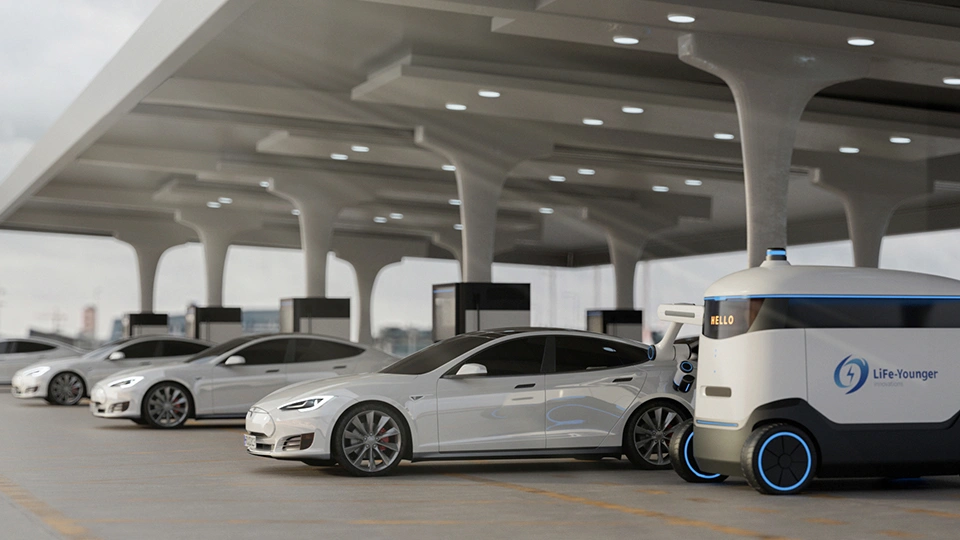
2.Global Demand: Huge Growth Opportunities
As the world moves towards a more sustainable future, the demand for electric vehicles (EVs) is experiencing unprecedented growth. This surge is driving a significant expansion in the EV charging station market, presenting vast opportunities for businesses and investors. The global shift towards cleaner energy and stricter emission regulations are major catalysts for this growth. In this context, understanding the demand dynamics and identifying key growth opportunities in various regions is essential for leveraging the potential of the EV charging infrastructure.
Level 2 EV Chargers: Residential, Hotel, and Workplace
Level 2 EV chargers are crucial for expanding the EV charging infrastructure in residential, hotel, and workplace settings. They offer a faster and more efficient charging solution compared to Level 1 chargers, making them ideal for locations where vehicles are parked for extended periods.
Residential Charging: Convenience and Cost Efficiency
One of the most significant growth areas for Level 2 EV chargers is residential settings. Home charging provides EV owners with the convenience of charging their vehicles overnight, ensuring they start each day with a full battery. The installation of these chargers is relatively straightforward and can be integrated into existing home electrical systems.
From a business perspective, manufacturers and installers of Level 2 EV chargers can tap into this growing market by offering customizable and easy-to-install home charging solutions. This segment presents a lucrative opportunity for companies specializing in residential electrical systems and renewable energy solutions.
Hotel Charging: Enhancing Guest Experience and Loyalty
Hotels are increasingly incorporating Level 2 EV chargers as a value-added amenity for guests. Providing charging options not only enhances the guest experience but also promotes environmental sustainability, aligning with the growing trend towards green hospitality. By offering EV charging services, hotels can attract eco-conscious travelers and build customer loyalty.
For businesses in the hospitality industry, investing in Level 2 EV chargers can differentiate them from competitors and open new revenue streams through potential partnerships with EV manufacturers and energy providers. Moreover, hotels can leverage this amenity to promote their commitment to sustainability and attract a broader clientele.
Workplace Charging: Supporting Employee Sustainability
Workplace charging is another significant opportunity for Level 2 EV chargers. Providing charging facilities at workplaces supports employees who drive EVs, contributing to their convenience and reducing range anxiety. It also demonstrates a company's commitment to sustainability and corporate social responsibility.
Companies can benefit from installing EV charging stations by fostering a culture of sustainability, attracting talent, and potentially gaining tax incentives for green initiatives. Additionally, workplace charging can enhance employee satisfaction and retention by providing a valuable benefit.
DC Fast Chargers: Key to Public Charging Stations
DC Fast Chargers are essential components of the public charging infrastructure, offering rapid charging solutions that significantly reduce the time required to recharge EVs. These chargers are vital for supporting long-distance travel and addressing the charging needs of EV users on the go.
Meeting the Needs of Urban and Highway Users
In urban areas, where space is limited and turnover is high, DC Fast Chargers provide a quick and efficient way for EV owners to recharge their vehicles. These chargers are typically located in public places such as shopping centers, parking lots, and along busy city streets, making them easily accessible to a large number of users.
On highways, DC Fast Chargers are crucial for enabling long-distance travel, addressing the primary concern of range anxiety. By strategically placing these chargers at regular intervals along major routes, businesses can support the growing number of EV users and facilitate seamless intercity travel.
Key Opportunity for Businesses and Investors
Investing in DC Fast Chargers presents a substantial business opportunity, particularly in areas with high traffic volumes and significant EV adoption rates. Companies can capitalize on the growing demand for fast, convenient charging options by developing charging networks that cater to both urban and highway users.
Moreover, DC Fast Chargers can serve as a gateway to other revenue-generating services, such as retail and dining facilities co-located with charging stations. This synergy creates a comprehensive ecosystem that enhances the value proposition for EV users and supports the broader adoption of electric vehicles.
3.EV Charging Station Business Models and Pricing Structures
As the demand for EV charging stations continues to rise, businesses are exploring various business models and pricing structures to capitalize on this growing market. Understanding these models is crucial for developing a sustainable and profitable EV charging business. This section delves into different approaches that cater to diverse customer needs while ensuring financial viability and flexibility.
Subscription Models: Ensuring Predictable Revenue
Subscription models offer EV users the convenience of a fixed monthly fee in exchange for unlimited or limited access to EV charging stations. This approach is particularly appealing to frequent EV drivers who benefit from predictable costs and easy access to charging facilities.
From a business perspective, subscription models provide a steady and predictable revenue stream, reducing the impact of fluctuating usage patterns. They also foster customer loyalty by encouraging repeated use of specific charging networks. For instance, companies can offer tiered subscription plans that vary based on usage limits or access to premium charging locations, thereby catering to different user needs and maximizing revenue.
By adopting a subscription model, businesses can benefit from a predictable cash flow, making it easier to plan for future investments and expansions in EV charging infrastructure. Additionally, this model can integrate well with other value-added services, such as roadside assistance and exclusive access to certain amenities, enhancing the overall value proposition for customers.
Pay-per-use Models: Charging Based on Consumption
The pay-per-use model is a straightforward approach where users pay based on the amount of electricity they consume or the duration of their charging session. This model provides flexibility for users who may not require frequent charging and prefer to pay only for what they use.
For businesses, the pay-per-use model can attract a broader range of customers, including occasional EV users and travelers who need to top up their vehicles on the go. This model also allows for dynamic pricing strategies, such as peak and off-peak rates, which can help manage demand and optimize the utilization of charging stations.
Implementing a pay-per-use model involves setting competitive rates that balance profitability with affordability. It also requires robust billing and metering systems to accurately track usage and ensure transparent transactions. This model can be particularly effective in high-traffic areas where users are willing to pay for the convenience of quick access to EV charging stations.
Tiered Pricing Models: Maximizing Revenue Potential
Tiered pricing models offer a structured approach to pricing, providing different levels of service at varying price points. This model allows businesses to cater to a wide range of customers, from casual users to high-demand users, each with specific charging needs and budgets.
In a tiered pricing model, customers can choose from basic to premium plans, each offering different benefits such as faster charging speeds, access to exclusive charging locations, or bundled services like parking or car wash facilities. This flexibility helps attract a diverse customer base and maximizes revenue potential by offering value-added options that meet varying customer preferences.
For example, a basic plan might offer slower charging at lower costs, suitable for users who are not in a rush. On the other hand, a premium plan could provide access to high-speed chargers in prime locations, ideal for users who prioritize convenience and efficiency. By leveraging tiered pricing, businesses can differentiate their services and appeal to a broader market segment, ultimately driving higher customer satisfaction and profitability.
Free EV Charging Models: Attracting Customers
Offering free EV charging can be a powerful tool for attracting customers, especially in retail and hospitality settings. By providing complimentary charging services, businesses can draw more foot traffic, encourage longer stays, and enhance customer loyalty.
Free EV charging is typically offered as a value-added service to customers who are already patronizing a business, such as shopping malls, restaurants, or hotels. This model can help increase sales and customer satisfaction, as users perceive added value and convenience. Moreover, free charging can serve as a differentiator in a competitive market, setting businesses apart from those that do not offer such amenities.
From a financial standpoint, the cost of providing free charging can be offset by the increased revenue generated from additional customer spending and the potential for upselling other services. Additionally, businesses can leverage free charging as a marketing tool, promoting their commitment to sustainability and attracting environmentally conscious customers.
Energy Storage vs. Traditional Charging: Pricing Flexibility
The integration of energy storage solutions into EV charging stations offers significant advantages over traditional charging methods, particularly in terms of pricing flexibility and energy management. Energy storage systems can store excess energy during off-peak hours and supply it during peak demand, reducing operational costs and enhancing the reliability of charging services.
This approach allows businesses to implement dynamic pricing strategies that reflect real-time energy costs and demand. For instance, during times of low energy demand and lower electricity prices, stored energy can be utilized to offer reduced charging rates, attracting cost-sensitive customers. Conversely, during peak times, businesses can charge higher rates, reflecting the higher cost of energy and the increased demand for charging services.
Energy storage also provides a buffer against energy price fluctuations, allowing businesses to maintain stable and predictable pricing for their customers. Moreover, it supports the integration of renewable energy sources, such as solar or wind, further enhancing the sustainability of EV charging stations and aligning with global trends towards cleaner energy.

4.Increasing Revenue with EV Charging: More Than Providing Power
As businesses venture into the EV charging station market, it’s essential to recognize that these facilities offer much more than just power for electric vehicles. They present a multitude of opportunities to enhance revenue streams by increasing customer engagement, attracting new clientele, and fostering loyalty. This chapter explores various strategies to maximize the financial benefits of EV charging stations beyond the obvious.
Increasing Customer Dwell Time: Making the Most of Charging Time
One of the unique advantages of EV charging stations is their ability to extend customer dwell time. While vehicles are being charged, drivers often spend time in nearby establishments, presenting an excellent opportunity for businesses to engage customers and drive additional revenue. For example, retail centers can capitalize on this by creating inviting spaces where customers can relax, shop, or dine while waiting for their vehicles to charge.
By strategically placing charging stations in locations that encourage extended stays, such as malls, restaurants, or entertainment venues, businesses can increase foot traffic and encourage higher spending. Offering amenities like free Wi-Fi, comfortable seating, and charging stations for personal devices can further enhance the customer experience and make their wait more enjoyable.
Additionally, providing promotional offers or discounts tied to the duration of the charging session can incentivize customers to explore and spend more in the vicinity. This not only boosts sales but also helps build a positive brand image as a business that values customer convenience and comfort.
Attracting Customers: The Power of Convenience
Convenience is a powerful factor in attracting customers to EV charging stations. Location plays a critical role in this regard, with stations situated in easily accessible, high-traffic areas having a distinct advantage. By positioning charging stations in convenient locations such as shopping centers, highways, and urban areas, businesses can attract a larger customer base.
Moreover, the integration of user-friendly technologies such as mobile apps for locating and reserving charging spots, real-time availability updates, and easy payment options can significantly enhance the customer experience. Offering additional services like car washing, grocery delivery, or even office workspaces while customers wait for their vehicles to charge can make EV charging stations a one-stop solution for busy individuals.
The convenience factor not only attracts new customers but also encourages repeat visits, as drivers are more likely to choose charging locations that align with their daily routines and provide added value. By focusing on convenience, businesses can create a loyal customer base and drive continuous revenue growth.
Enhancing Customer Retention & Loyalty: Incentivizing Repeat Visits
Building customer loyalty is key to the long-term success of any business, and EV charging stations are no exception. One effective strategy for enhancing customer retention is through loyalty programs that reward frequent users with discounts, free charging sessions, or other perks. Such programs not only encourage repeat visits but also foster a sense of community and appreciation among customers.
Additionally, personalized services that cater to the specific needs and preferences of customers can significantly improve retention rates. For example, offering tailored charging plans, exclusive access to premium charging spots, or priority service during peak times can make loyal customers feel valued and ensure they return to the same charging network.
Businesses can also leverage data analytics to understand customer behavior and preferences better, allowing for more targeted marketing efforts and customized offers. This data-driven approach helps in creating meaningful connections with customers and enhances their overall experience, leading to increased loyalty and advocacy.
Engagement via Media Screen Chargers: Turning Charging into an Experience
Innovative technologies such as media screen chargers offer a unique way to engage customers while their vehicles are charging. These chargers are equipped with digital screens that can display advertisements, informational content, or entertainment, turning the charging process into an interactive experience.
By partnering with advertisers or offering space for promotional content, businesses can generate additional revenue streams from these media screen chargers. This approach not only helps in offsetting the costs of installing and maintaining EV charging stations but also provides a platform for targeted marketing and customer engagement.
Moreover, media screen chargers can be used to display useful information such as weather updates, traffic reports, or promotional offers, enhancing the customer experience and keeping them informed. This interactive element can make the wait time more enjoyable and productive, further encouraging customers to choose charging locations that offer such amenities.
5.EV Charger Location and Visibility: Maximize Charger Utilization
The location and visibility of EV charging stations are critical factors in maximizing their utilization and ensuring a steady stream of revenue. By strategically placing chargers in high-traffic areas, enhancing their visibility through digital platforms, and integrating them with loyalty programs, businesses can significantly increase their charger usage and customer satisfaction. This chapter explores these key aspects in detail.
Strategic EV Charger Location Placement: Maximizing Footfall
Placing EV chargers in strategic locations is essential for attracting a high volume of users and ensuring the chargers are frequently used. High-traffic areas such as shopping malls, airports, hotels, and downtown districts are ideal spots as they naturally attract a significant number of people who are likely to need charging services while they shop, travel, or work.
For example, installing chargers in retail parking lots not only provides a convenient service for customers but also encourages them to spend more time in stores, leading to increased sales. Similarly, placing chargers in hotel parking areas can attract guests who drive electric vehicles, offering them the convenience of charging their cars overnight while they stay at the hotel.
Moreover, placing chargers along major highways and busy roads is crucial for supporting long-distance travel and reducing range anxiety for EV drivers. These locations should be easy to access and well-signposted to ensure that drivers can find them without difficulty.
Another effective strategy is to partner with local businesses and municipalities to identify the best locations for chargers. Collaboration with community stakeholders can help in securing prime spots and enhancing the visibility of the charging stations, leading to higher utilization rates and increased foot traffic for the surrounding businesses.
Visibility Across EV Apps & Roaming Networks: Reaching the Audience
In today’s digital age, visibility across EV apps and roaming networks is crucial for ensuring that EV charging stations are easily discoverable by users. These platforms serve as essential tools for drivers to locate available chargers, check real-time status, and plan their routes effectively.
Businesses should ensure their charging stations are listed on popular EV apps such as PlugShare, ChargePoint, and EVgo. These apps allow users to search for charging stations based on location, availability, and compatibility, making it easier for them to find the nearest and most convenient charging option.
Additionally, integrating with roaming networks like Hubject and Greenlots can expand the reach of charging stations by allowing drivers to use a single account to access a wide range of chargers across different networks. This interoperability enhances user convenience and increases the likelihood of chargers being used frequently.
Visibility on these platforms should be complemented with up-to-date information about charger status, pricing, and available amenities. Accurate and comprehensive listings help build trust with users and ensure they have a seamless and positive charging experience.
Integration with Loyalty Programs: Synergistic Benefits
Integrating EV charging stations with loyalty programs offers synergistic benefits that can drive customer retention and boost charger utilization. By rewarding customers for using charging services, businesses can encourage repeat visits and foster a loyal user base.
For instance, a retail store could offer loyalty points or discounts to customers who charge their EVs while shopping. This not only incentivizes the use of the chargers but also encourages customers to spend more time and money in the store. Similarly, hotels can offer loyalty perks such as free or discounted charging sessions to guests, enhancing their stay and promoting return visits.
Moreover, businesses can partner with EV manufacturers and service providers to offer integrated loyalty programs that reward customers across multiple platforms and services. Such partnerships can provide greater value to users and increase the overall appeal of the charging stations.

6.Mobile EV Charging Businesses: A Growing Opportunity
As the electric vehicle (EV) market continues to expand, so does the demand for innovative and flexible charging solutions. Mobile EV charging businesses represent a burgeoning opportunity, addressing the need for on-the-go and emergency charging. This chapter delves into the potential of mobile EV charging, exploring the benefits, market drivers, and future prospects of this exciting business model.
Addressing the Gap: The Need for Mobile Charging Solutions
Despite the rapid growth in fixed EV charging infrastructure, there are still gaps in coverage, especially in remote or underserved areas. Mobile EV charging solutions fill these gaps by offering a flexible and on-demand service that can reach EV drivers wherever they are. This is particularly valuable in urban centers where space for permanent charging stations is limited and in rural areas where fixed infrastructure may not be feasible.
Mobile charging services can also provide a critical lifeline for EV drivers who experience range anxiety or encounter unexpected situations where they need immediate charging. By offering a quick and convenient solution, mobile charging businesses can enhance the overall EV ownership experience and encourage more consumers to make the switch to electric vehicles.
The Benefits of Mobile EV Charging Businesses
One of the primary benefits of mobile EV charging is its flexibility. These services can be deployed to any location, providing charging support at events, workplaces, or even directly at a customer's home. This flexibility allows businesses to respond to changing market demands and cater to a wide range of customer needs.
Furthermore, mobile charging solutions require a lower initial investment compared to setting up fixed charging stations. This makes them an attractive option for new businesses or startups looking to enter the EV market. By reducing the need for significant infrastructure investments, mobile charging businesses can achieve faster returns and scale their operations more easily.
Another advantage is the ability to offer emergency charging services. For instance, a mobile charging unit can be dispatched to assist a stranded driver who has run out of battery power, providing a critical service that enhances customer trust and loyalty. This capability not only serves individual drivers but can also be marketed to fleets and logistics companies as a value-added service.
Market Drivers for Mobile EV Charging
Several key factors are driving the growth of the mobile EV charging market. One significant driver is the increasing adoption of electric vehicles, which has led to a growing demand for diverse and flexible charging options. As more consumers and businesses invest in EVs, the need for reliable and accessible charging solutions becomes more pressing.
The expansion of the gig economy and the rise of on-demand services are also contributing to the popularity of mobile charging. Consumers today expect convenience and flexibility in all aspects of their lives, including vehicle charging. Mobile EV charging meets these expectations by providing a service that can be accessed anytime and anywhere.
Additionally, advancements in battery technology and the decreasing costs of renewable energy are making mobile charging solutions more viable and cost-effective. These technological improvements are enabling mobile charging units to deliver faster charging times and operate more efficiently, making them an attractive option for both providers and users.
Future Prospects for Mobile EV Charging Businesses
The future looks bright for mobile EV charging businesses, with significant growth potential in the coming years. As the EV market continues to expand and evolve, the demand for flexible and innovative charging solutions will only increase. Mobile charging services are well-positioned to capitalize on this trend, offering a valuable complement to fixed charging infrastructure.
In the future, we can expect to see more businesses and municipalities adopting mobile charging solutions as part of their overall EV strategy. This will not only help to bridge the gaps in existing infrastructure but also support the transition to a more sustainable and electric-driven future.
Moreover, advancements in autonomous vehicle technology could further enhance the prospects for mobile EV charging. For example, autonomous charging vehicles could be deployed to automatically recharge other vehicles in designated areas, creating a highly efficient and integrated charging network.
7.EV Charging Incentives: Fueling EV Adoption
The rapid adoption of electric vehicles (EVs) is not solely driven by consumer preference and environmental concerns. A significant factor behind this shift is the various incentives offered to support EV charging infrastructure and reduce the costs associated with it. This chapter explores the different types of incentives available, including government and regulatory incentives, utility company incentives, and exclusive benefits through partnerships with EV manufacturers, all of which are crucial in accelerating EV adoption and expanding the EV charging network.
Government and Regulatory Incentives: Offsetting Initial Investments
Governments worldwide are playing a pivotal role in promoting EV adoption through a variety of incentives aimed at reducing the financial barriers to entry for businesses and consumers. These incentives are crucial for offsetting the initial investments required for setting up EV charging stations and supporting the broader transition to electric mobility.
One of the most common forms of support is tax credits and rebates for the installation of EV charging infrastructure. For example, in the United States, businesses can take advantage of the Alternative Fuel Infrastructure Tax Credit, which provides a significant tax credit for up to 30% of the cost of purchasing and installing charging equipment. Similarly, the European Union offers various grants and subsidies to promote the deployment of EV chargers across member states.
In addition to financial incentives, many governments have implemented regulatory measures that mandate the inclusion of EV charging points in new building constructions and major renovations. These regulations ensure that charging infrastructure is integrated into the urban landscape, making it more accessible and convenient for EV owners.
Furthermore, some countries offer additional incentives such as reduced registration fees, exemption from road taxes, and preferential parking for EVs. These benefits not only make EV ownership more attractive but also support the ongoing operation of charging networks by increasing the overall number of EVs on the road.
Utility Company Incentives: Decreasing Operational Costs
Utility companies are also key players in the promotion of EV charging infrastructure. They offer a range of incentives designed to lower the operational costs of running EV charging stations, making it more feasible for businesses to invest in this essential infrastructure.
One common incentive is the provision of rebates on electricity costs for EV charging. Utilities may offer reduced rates or special tariffs for electricity used to charge EVs, significantly lowering the cost of operation for charging station owners. This can include time-of-use rates that incentivize charging during off-peak hours when electricity demand is lower and cheaper.
Another form of support is the offering of grants or rebates to help cover the costs of purchasing and installing EV charging equipment. Utility companies may provide funding for up to a certain percentage of the total installation cost, reducing the upfront financial burden on businesses and encouraging wider deployment of charging stations.
In addition to financial incentives, utilities may also provide technical support and consultation services to assist businesses in planning and implementing their EV charging projects. This support can include site assessments, guidance on equipment selection, and advice on optimizing energy use and load management.
Utilities may also engage in partnerships with local governments and businesses to develop large-scale charging networks and pilot projects. These collaborative efforts can lead to the creation of robust and reliable charging infrastructure that meets the needs of a growing number of EV users.
Partnerships with EV Manufacturers: Exclusive Benefits
Partnerships with EV manufacturers offer unique benefits for businesses looking to establish or expand their EV charging infrastructure. These collaborations can provide access to exclusive incentives and resources that enhance the viability and attractiveness of installing charging stations.
One of the key benefits of these partnerships is the opportunity to receive co-marketing support from EV manufacturers. This can include joint promotional campaigns, branding opportunities, and co-branded charging stations that help to increase the visibility and appeal of the charging services offered.
Manufacturers may also offer discounts on charging equipment and installation services as part of their partnership agreements. These discounts can significantly reduce the costs associated with setting up EV charging stations, making it more affordable for businesses to invest in the necessary infrastructure.
Additionally, EV manufacturers may provide exclusive incentives such as extended warranties, service agreements, and access to proprietary technologies. These benefits ensure that the charging stations are maintained to high standards and remain operational for longer periods, reducing downtime and enhancing the user experience.
Partnerships with manufacturers can also facilitate access to a broader customer base. By aligning with a well-known EV brand, businesses can attract more users who are already loyal to the manufacturer and are looking for convenient and reliable charging solutions.

8.The Future Outlook: Are EV Charging Stations a Good Investment?
As we look towards a more sustainable future, the landscape of transportation is undergoing a significant transformation. Electric vehicles (EVs) are at the forefront of this change, and with their rise comes an increasing demand for EV charging stations. For businesses and investors, the question arises: Are EV charging stations a good investment? This chapter delves into the various aspects that make EV charging stations a promising investment opportunity, backed by data and future projections.
Market Growth and Demand: A Promising Horizon
The global EV market is experiencing exponential growth, driven by technological advancements, environmental concerns, and supportive government policies. According to the International Energy Agency (IEA), the number of electric cars on the road is expected to reach 145 million by 2030, a significant increase from the current 11 million. This surge in EV adoption is creating a substantial demand for reliable and accessible charging infrastructure.
The EV charging market itself is projected to grow significantly, with estimates suggesting a compound annual growth rate (CAGR) of over 30% in the coming decade. This growth is not only driven by the increasing number of EVs but also by the need for a robust and widespread charging network to support them. As more consumers and businesses transition to electric vehicles, the demand for charging stations will continue to rise, making it a lucrative investment opportunity.
Technological Advancements: Enhancing Efficiency and Accessibility
One of the key factors that make investing in EV charging stations attractive is the continuous advancement in technology. Innovations in charging technologies, such as ultra-fast chargers and wireless charging solutions, are improving the efficiency and convenience of charging for users. These advancements are not only enhancing the user experience but also reducing the operational costs for charging station operators.
Moreover, the integration of smart grid technologies and renewable energy sources into the charging infrastructure is paving the way for more sustainable and cost-effective charging solutions. By leveraging these technologies, businesses can optimize energy usage, reduce costs, and provide a more reliable service to EV owners. This not only improves the return on investment (ROI) for charging station operators but also aligns with the global push towards greener and more sustainable energy solutions.
Government Support: Incentives and Policies Driving Adoption
Government support plays a crucial role in the adoption and expansion of EV charging infrastructure. Various countries are implementing policies and incentives to promote the use of EVs and the development of charging networks. These include tax credits, grants, and subsidies for installing charging stations, as well as regulations that require new buildings to be equipped with EV charging points.
In addition, governments are investing in public charging infrastructure and encouraging private sector involvement through public-private partnerships. These initiatives are creating a favorable environment for investing in EV charging stations, reducing the financial risks and increasing the potential for profitability. For businesses looking to enter the EV charging market, these government supports provide a significant boost in terms of initial investment and operational costs.
Revenue Streams and Business Models: Diversified Opportunities
Investing in EV charging stations offers diversified revenue opportunities through various business models. The traditional pay-per-use model, where users pay for the electricity consumed, provides a steady stream of income. Additionally, the subscription-based model, where users pay a monthly fee for unlimited or discounted charging, offers predictable revenue and encourages customer loyalty.
Beyond charging fees, businesses can explore additional revenue streams such as advertising and partnerships. Charging stations located in high-traffic areas provide prime advertising space, which can be leveraged for additional income. Partnerships with retail outlets, restaurants, and other businesses can also create opportunities for co-marketing and increased customer footfall.
Furthermore, as discussed in previous chapters, the integration of media screens and digital services at charging stations can turn the charging process into a more engaging and profitable experience. Offering value-added services, such as Wi-Fi, entertainment, and convenience store access, can increase customer dwell time and spending, enhancing the overall profitability of the charging stations.
Risk Considerations: Addressing Potential Challenges
While the potential for high returns makes EV charging stations an attractive investment, it is important to consider the risks and challenges involved. The initial capital investment for setting up charging stations can be significant, especially for high-capacity fast chargers. Investors need to carefully evaluate the cost implications and ensure that they have access to the necessary funding and incentives to support their projects.
Another potential challenge is the pace of technological change. As the EV market evolves, charging technologies are rapidly advancing. Investors must stay abreast of the latest developments to ensure that their charging infrastructure remains competitive and capable of meeting future demands. This may involve additional investments in upgrading equipment and integrating new technologies.
Market competition is also a factor to consider. As more players enter the EV charging market, businesses must differentiate themselves through innovative services, strategic locations, and competitive pricing. Building strong partnerships and leveraging unique value propositions will be key to standing out in a growing and competitive market.
Concluding Thoughts: The Promising Future of EV Charging Stations
As we navigate towards a cleaner and more sustainable future, the role of EV charging stations cannot be overstated. With rapid advancements in technology, supportive government policies, and increasing consumer adoption of electric vehicles, the EV charging market presents a lucrative investment opportunity. By strategically investing in EV charging infrastructure, businesses can not only achieve significant returns but also contribute to a greener planet.
For those looking to make a mark in the EV charging industry, partnering with leading innovators like Life-younger can provide a competitive edge. As a premier provider of energy storage solutions and EV chargers, Life-younger offers cutting-edge technology and comprehensive support to ensure your investment in EV charging stations is both profitable and impactful. Explore their offerings at www.life-younger.com and take the first step towards a sustainable and lucrative future.
GET A QUOTE
Fill out the message form and leave your contact information. Our staff will contact you within 24 hours (weekdays)
Latest News

LiFe-Younger: From R&D to Scaled Manufacturing
At LiFe-Younger, research, engineering, and manufacturing operate as an integrated system. From product development to large-scale production, daily operations focus on building solutions ready for real-world deployment and long-term operation.
Dec 25,2025
How iTrailer Supports Key Charging Scenarios
LiFe-Younger’s iTrailer has been deployed across multiple countries, demonstrating versatility in diverse markets and environments. While each region has its own regulatory and operational conditions, electric mobility challenges often share common themes: limited charging infrastructure, high peak-hour demand, and the need for reliable, flexible solutions. This blog highlights three representative application scenarios that showcase iTrailer’s real-world performance and operational value.
Dec 31,2025
iMChargerX Movable DC Charger in Mass Production for Flexible EV Charging Applications
With a 40 kWh energy storage system, 60 kW DC fast charging output, and 21-inch intelligent touchscreen, iMChargerX combines charging capability with a compact, integrated design. Its mobile configuration allows charging capacity to be deployed where it is needed, without the complexity of installing new fixed charging infrastructure.
Aug 27,2026