
 Language
 中文简体
中文简体 العربية
 Deutsch
 Portugal
 Italia
 Français
 Español
How All-in-One Energy Storage Can Transform Your EV Charging Experience
Date:
2025-09-01
Share
How All-in-One Energy Storage Can Transform Your EV Charging Experience
1. Introduction to All-in-One Energy Storage
The rise of electric vehicles (EVs) has prompted a significant transformation in the automotive and energy sectors. As EV adoption accelerates, so does the need for efficient, reliable charging solutions. All-in-one energy storage systems have emerged as a game-changer in this landscape, offering a seamless integration of energy generation, storage, and management. These systems not only simplify the charging process but also enhance its efficiency, ensuring that EV owners have a hassle-free experience.

2. Understanding Energy Storage Technologies
Innovations in energy storage technologies are at the forefront of transforming EV charging experiences. To appreciate the impact of all-in-one energy storage, it’s essential to understand the various types of energy storage solutions available today.
2.1 Types of Energy Storage Solutions
Energy storage technologies can be categorized into several types:
1. **Batteries**: Lithium-ion batteries are the most common energy storage systems for EVs, offering high energy density and efficiency.
2. **Capacitors**: Supercapacitors store energy quickly and can deliver high power output for short durations, ideal for peak shaving in charging stations.
3. **Flywheels**: These use kinetic energy to store and release energy rapidly, suitable for applications requiring quick bursts of power.
4. **Pumped Hydro**: A traditional method of storing energy, where water is pumped to a higher elevation and released to generate electricity when needed.
5. **Thermal Storage**: This system uses heat storage to provide energy for heating applications, which can also integrate with EV charging.
Each of these technologies offers unique advantages, and they can be combined in all-in-one systems to optimize performance.
2.2 Advantages of Energy Storage in EV Charging
The advantages of incorporating energy storage into EV charging solutions are manifold:
- **Cost Savings**: Energy storage can reduce peak demand charges by storing energy during off-peak hours and discharging it during peak usage times.
- **Enhanced Efficiency**: All-in-one systems facilitate fast and efficient charging, minimizing downtime for EV owners.
- **Energy Independence**: By utilizing renewable energy sources like solar or wind in conjunction with energy storage, EV owners can achieve greater energy independence.
- **Grid Stability**: These systems can help stabilize the grid by managing energy flow and providing backup power during outages.
3. The Importance of Efficient EV Charging
With the increasing number of EVs on the road, efficient charging infrastructure is crucial. The charging experience significantly affects the overall EV ownership experience. Long wait times at charging stations can deter potential EV buyers, making it essential to adopt solutions that enhance convenience and efficiency.

4. An Overview of All-in-One Energy Storage Solutions
All-in-one energy storage systems integrate multiple functionalities, including energy generation, storage, and management, into a single platform. This integration simplifies the user experience for EV owners.
4.1 Leading Brands in All-in-One Energy Storage
Several companies have established themselves as leaders in the all-in-one energy storage market, including:
- **Tesla**: Known for its Powerwall and Powerpack systems, Tesla offers scalable solutions for residential and commercial applications.
- **LG Chem**: A prominent manufacturer of lithium-ion batteries, LG Chem provides energy storage solutions that cater to various needs.
- **Sonnen**: Specializing in smart energy storage systems, Sonnen focuses on sustainable energy management for homes and businesses.
- **Enphase**: Offers an integrated solar and battery storage solution, making it easier for users to manage their energy needs.
4.2 Key Features and Benefits of All-in-One Systems
All-in-one energy storage systems come equipped with a range of features that enhance their usability:
- **Integrated Management Software**: Most systems include user-friendly interfaces that allow users to monitor and control their energy consumption and charging activities.
- **Scalability**: These systems can often be scaled up or down based on needs, accommodating growing energy demands.
- **Compatibility with Renewable Sources**: Many all-in-one solutions can be paired with solar panels or wind turbines, optimizing the use of renewable energy.
- **Backup Power**: In case of grid outages, these systems can provide backup power, increasing reliability for EV owners.
5. Environmental Impact of Energy Storage in EVs
Adopting energy storage systems for EV charging can significantly reduce the carbon footprint associated with electric vehicles. By utilizing renewable energy sources and optimizing energy use, all-in-one energy storage solutions can contribute to a more sustainable future.
- **Reduced Greenhouse Gas Emissions**: By charging EVs with renewable energy, emissions from fossil fuels can be minimized.
- **Energy Efficiency**: Efficient energy management reduces the overall demand for electricity, lowering environmental impact.
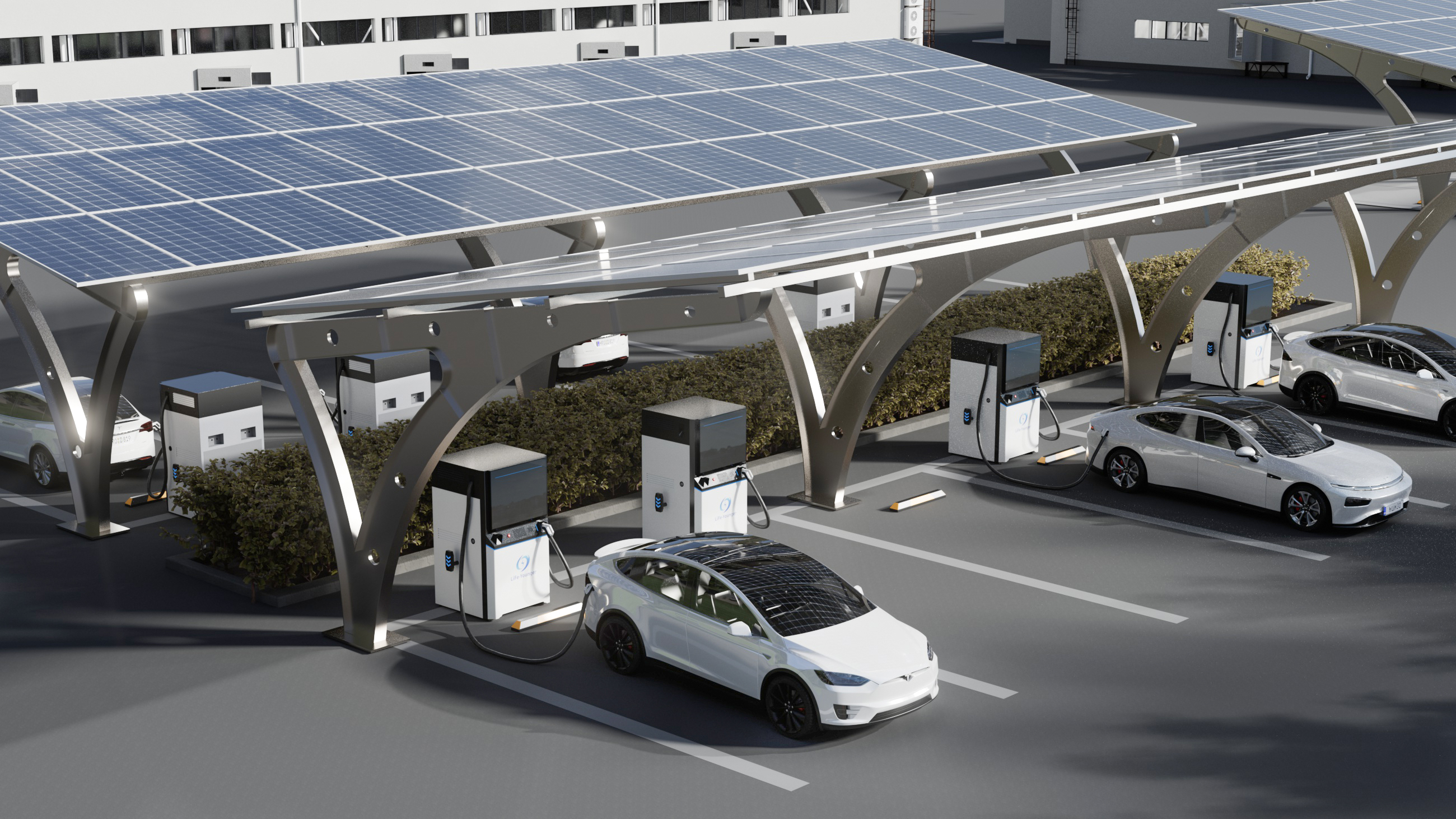
6. The Future of EV Charging with All-in-One Storage
The future of EV charging is poised for growth as technology advances. All-in-one energy storage systems will continue to evolve, making charging more efficient, cost-effective, and eco-friendly.
- **Smart Charging Networks**: Future systems will likely integrate with smart grids, allowing for dynamic pricing and energy distribution based on real-time demand.
- **Vehicle-to-Grid Technology**: This technology could enable EVs to supply energy back to the grid, creating a two-way energy flow that enhances grid stability.
7. Conclusion
All-in-one energy storage systems represent a significant advancement in the EV charging landscape. By providing an integrated solution for energy generation, storage, and management, these systems can enhance the efficiency, convenience, and sustainability of electric vehicle charging. As technology continues to advance, embracing these innovations will be crucial for both current and future EV owners, ensuring a seamless and efficient charging experience.

8. FAQs
1. What is an all-in-one energy storage system?
An all-in-one energy storage system integrates energy generation, storage, and management into a single platform, optimizing the charging experience for electric vehicles.
2. How do all-in-one energy storage systems benefit EV owners?
These systems provide cost savings, enhanced charging efficiency, energy independence, and backup power during outages, improving the overall EV ownership experience.
3. Can all-in-one systems be used with renewable energy sources?
Yes, many all-in-one energy storage solutions are designed to be compatible with renewable energy sources like solar and wind, maximizing their efficiency.
4. What are the leading brands offering all-in-one energy storage solutions?
Leading brands include Tesla, LG Chem, Sonnen, and Enphase, each providing unique features and benefits for energy storage.
5. How do all-in-one energy storage systems impact the environment?
These systems can significantly reduce greenhouse gas emissions by enabling the use of renewable energy for EV charging and improving overall energy efficiency.
GET A QUOTE
Fill out the message form and leave your contact information. Our staff will contact you within 24 hours (weekdays)
Latest News

LiFe-Younger: From R&D to Scaled Manufacturing
At LiFe-Younger, research, engineering, and manufacturing operate as an integrated system. From product development to large-scale production, daily operations focus on building solutions ready for real-world deployment and long-term operation.
Dec 25,2025
How iTrailer Supports Key Charging Scenarios
LiFe-Younger’s iTrailer has been deployed across multiple countries, demonstrating versatility in diverse markets and environments. While each region has its own regulatory and operational conditions, electric mobility challenges often share common themes: limited charging infrastructure, high peak-hour demand, and the need for reliable, flexible solutions. This blog highlights three representative application scenarios that showcase iTrailer’s real-world performance and operational value.
Dec 31,2025
iMChargerX Movable DC Charger in Mass Production for Flexible EV Charging Applications
With a 40 kWh energy storage system, 60 kW DC fast charging output, and 21-inch intelligent touchscreen, iMChargerX combines charging capability with a compact, integrated design. Its mobile configuration allows charging capacity to be deployed where it is needed, without the complexity of installing new fixed charging infrastructure.
Aug 27,2026